

Common Concealed Carry Holster Mistakes Women Make
Choosing a concealed carry holster can feel overwhelming, especially for women who are trying to balance safety, comfort, clothing, concealment, and daily practicality. Many holster problems are not caused by the firearm itself. They come from choosing a holster that does not match your body, wardrobe, carry position, or routine.
The right concealed carry setup should feel secure, comfortable, discreet, and realistic for everyday use. If a holster digs, shifts, prints heavily, or only works with one outfit, it may not be the best fit for how you actually live.
This guide covers common concealed carry holster mistakes women make and how to avoid them when comparing women’s concealed carry holsters, bra holsters, IWB holsters, and concealed carry purses.
Mistake 1: Choosing a Holster Based Only on the Firearm
Firearm fit matters, but it is not the only factor. A holster also needs to work with your body shape, clothing, waistband support, comfort preferences, and daily activities.
A holster that technically fits your firearm may still feel too bulky, print under your clothes, shift when you walk, or dig when you sit. For women, clothing style often matters just as much as firearm size because outfits vary widely in structure and coverage.
Before choosing a holster, think about:
- What clothing you wear most often
- Whether you prefer waistband or non-waistband carry
- How much time you spend sitting or driving
- Whether your outfits have belt loops or supportive waistbands
- How much concealment you need for everyday comfort
If you are still comparing options, start with the best concealed carry holsters for women.
Mistake 2: Assuming One Holster Works With Every Outfit
Many women try to make one holster work with jeans, dresses, leggings, workwear, gym clothes, and casual outfits. Sometimes that works, but often it leads to frustration.
Jeans may support an IWB holster well, while leggings may not. Dresses may work better with a bra holster or concealed carry purse. Business attire may require a discreet setup that looks polished and feels comfortable during long workdays.
It is common for women to use more than one concealed carry method depending on the outfit. If your wardrobe changes from day to day, a small carry rotation may be more practical than forcing one setup into every situation.
For outfit-specific guidance, review how to choose the right holster based on your clothing style.
Mistake 3: Ignoring Comfort While Sitting
A holster may feel comfortable while standing in front of a mirror, but that does not mean it will feel good during a full day. Sitting, driving, bending, and working at a desk can change how the holster presses against your body.
Appendix carry may press at the front of the waistband. Strong side carry may press near the hip or chair back. Bra holsters may feel different depending on the bra and top you choose.
When testing a holster, check comfort while:
- Sitting at a desk
- Driving or riding in a car
- Walking around the house
- Bending slightly
- Reaching overhead
- Adding or removing a jacket
If comfort is your main challenge, compare the most comfortable concealed carry holsters for women.
Mistake 4: Choosing the Wrong Carry Position
Carry position can make or break your concealed carry setup. A holster that feels awkward at one position may feel better with a small adjustment. For waistband carry, appendix and strong side are two common options, but neither is automatically best for every woman.
Appendix carry may work well for women who want front-of-body awareness and wear structured pants with relaxed tops. Strong side carry may feel better for women who prefer hip placement or spend a lot of time sitting.
If one position feels uncomfortable or prints heavily, do not assume the holster is unusable right away. Try small placement adjustments and compare how the setup works with different outfits.
For more detail, read appendix carry for women and strong side carry vs appendix carry for women.
Mistake 5: Overlooking Printing
Printing happens when the outline of the firearm, holster, grip, or clip shows through clothing. For women, printing is often influenced by fitted tops, stretch fabrics, lightweight layers, and where the holster sits on the body.
Printing does not always mean the setup is wrong, but heavy printing can make you feel less confident and less discreet. Small changes in clothing, holster placement, and fabric can help.
Ways to reduce printing include:
- Choose a slimmer holster profile
- Wear tops that skim instead of cling
- Use darker colors or subtle patterns
- Add a light layer when practical
- Choose supportive pants or waistbands
- Test the setup while moving, not just standing still
For a full guide, read how to reduce printing with a concealed carry holster.
Mistake 6: Forcing Waistband Carry With Unsupported Clothing
Traditional waistband holsters usually need enough structure to stay positioned. Leggings, soft joggers, lightweight shorts, and many skirts may not provide the same support as jeans or structured pants.
If the waistband rolls, stretches, shifts, or pulls outward, the holster may feel unstable or print more. In those cases, a bra holster, slim low-profile option, or concealed carry purse may be more practical.
For leggings and dresses, review the guides to concealed carry options for leggings and concealed carry options for dresses. For non-waistband carry, browse the Flashbang holsters collection.
Mistake 7: Not Considering a Bra Holster
Some women dismiss bra holsters because they are used to thinking of concealed carry as a waistband-only decision. But for many women, a bra holster can solve clothing problems that IWB holsters cannot.
A Flashbang holster can be useful for dresses, leggings, skirts, fitted outfits, and days when a waistband holster is uncomfortable. Comfort depends on the bra, top, firearm, and activity, so testing the setup matters.
If you are curious about this option, read how to wear a bra holster comfortably all day.
Mistake 8: Treating Purse Carry Like Regular Purse Storage
A concealed carry purse can be useful when clothing does not support a holster, but it is not the same as using a regular purse. The firearm needs a dedicated carry area, and the bag must stay under your control.
Do not treat a concealed carry purse like a casual catch-all bag. It should be organized, controlled, and used consistently. Purse carry also requires extra attention in public places, around children, at work, while shopping, or when traveling.
If you are considering off-body carry, browse the concealed carry purse collection. Compact crossbody options like the S&W Essential Concealed-Carry Crossbody and S&W Vault Crossbody may work well for everyday use. For a larger handbag style, compare the S&W Concealed-Carry Classic Satchel.
Mistake 9: Skipping Safe At-Home Testing
Before relying on any concealed carry setup, test it safely at home with the outfits you actually wear. A holster that looks fine in one outfit may not work with another.
Test your setup while:
- Standing naturally
- Sitting and standing
- Walking
- Bending slightly
- Reaching overhead
- Putting on outerwear
- Moving through your normal routine
If the holster shifts, digs, prints heavily, or requires constant adjustment, it may not be the right setup for that outfit. Always follow safe firearm handling practices and seek qualified training before practicing draw access or carry techniques.
Mistake 10: Ignoring Local Rules and Daily Environments
Concealed carry is not only about your holster. Your daily environment matters too. Workplaces, gyms, schools, government buildings, private businesses, events, parks, and travel locations may have rules that affect whether and how you can carry.
Before carrying in a specific place, check local laws, workplace rules, venue policies, and travel restrictions. This is especially important if you carry at work, at the gym, while traveling, or across state lines.
A practical concealed carry setup should account for your full day, not just the outfit you put on in the morning.
FAQs
What is the most common concealed carry holster mistake women make?
One of the most common mistakes is choosing a holster without considering clothing style. A holster should work with your wardrobe, body shape, carry position, and daily routine, not just your firearm.
Can one holster work with every outfit?
Sometimes, but many women find that one holster does not work well with every outfit. Jeans, dresses, leggings, business attire, and gym clothes may require different carry methods.
Why does my holster feel comfortable standing but not sitting?
Sitting changes how the holster presses against your body. Pant rise, torso length, holster placement, firearm size, and carry position can all affect seated comfort.
How do women reduce concealed carry printing?
Women can reduce printing by choosing a slimmer holster, adjusting carry position, wearing tops that skim instead of cling, using structured fabrics, and testing outfits while moving.
Are bra holsters good for women?
Bra holsters can be useful for many women, especially with dresses, leggings, skirts, or outfits that do not support waistband carry. Comfort depends on the bra, top, holster, firearm, and activity.
Is purse carry a good option for women?
Purse carry can be practical when clothing does not support on-body carry, but it requires consistent control of the bag, secure storage, and careful attention to safe handling.
What should I do if my holster keeps shifting?
If your holster shifts, check your waistband support, holster placement, clothing fit, and carry method. You may need a different holster style or a non-waistband option.
Should beginners buy more than one concealed carry option?
Many beginners benefit from having more than one option because different outfits and activities may require different carry methods. A holster, bra holster, and concealed carry purse can each serve different needs.
The Bottom Line
Most concealed carry holster mistakes women make come from choosing a setup that does not match real life. Your holster should fit your firearm, but it also needs to fit your body, clothing, comfort needs, carry position, and daily routine.
If one holster does not work for every outfit, that is normal. Compare Gun Goddess concealed carry holsters, Flashbang holsters, and concealed carry purses to build a flexible carry system that works with jeans, dresses, leggings, workwear, gym clothes, and everyday outfits.
Also in Carrying a Gun: Concealed Carry Tips
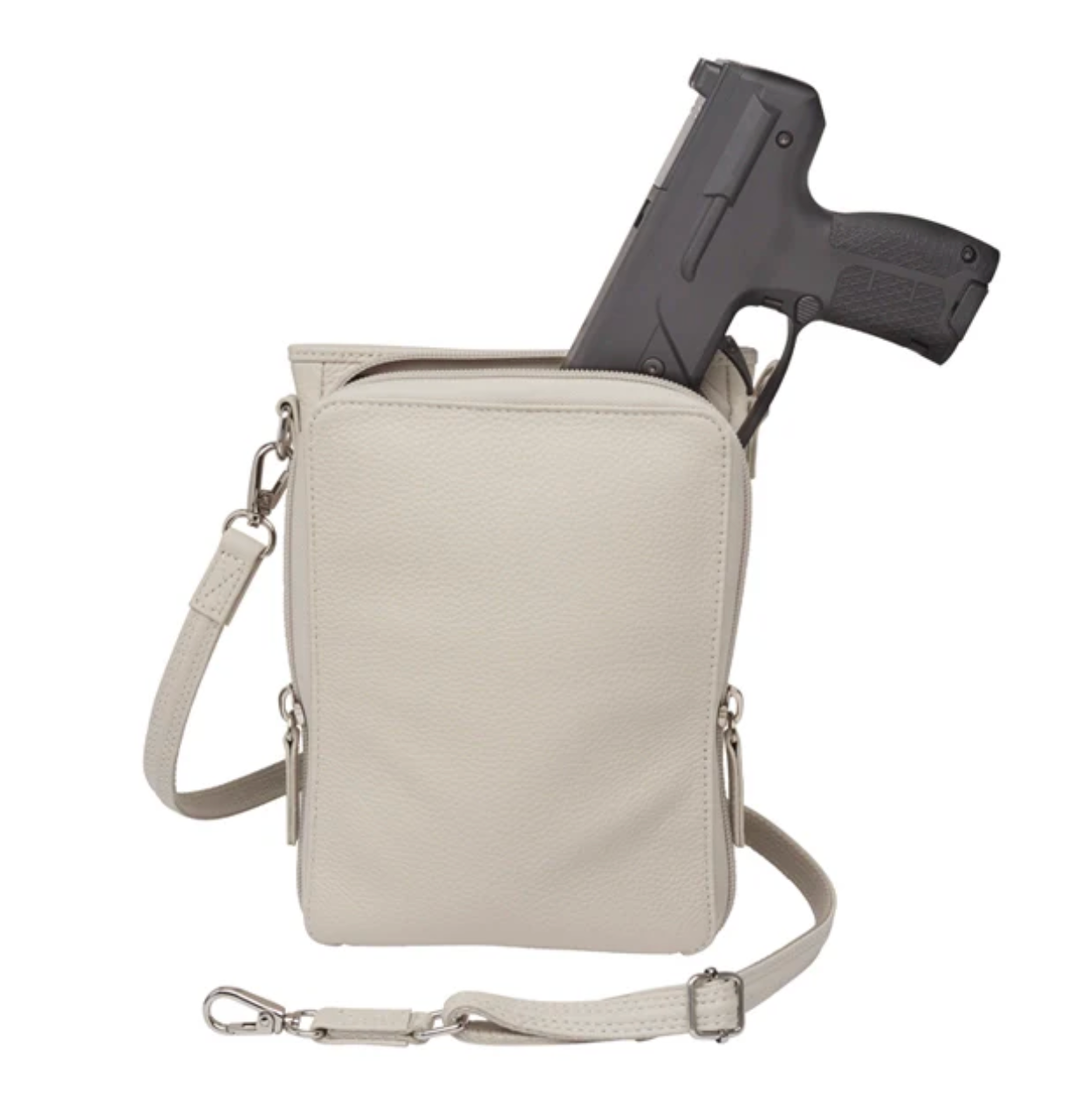

How to Build an Everyday Carry Kit for Women
This guide explains how to build an everyday carry kit for women, including what to include, how to organize it, and when to choose a concealed carry purse, concealed carry holster, or Flashbang holster as part of your setup.
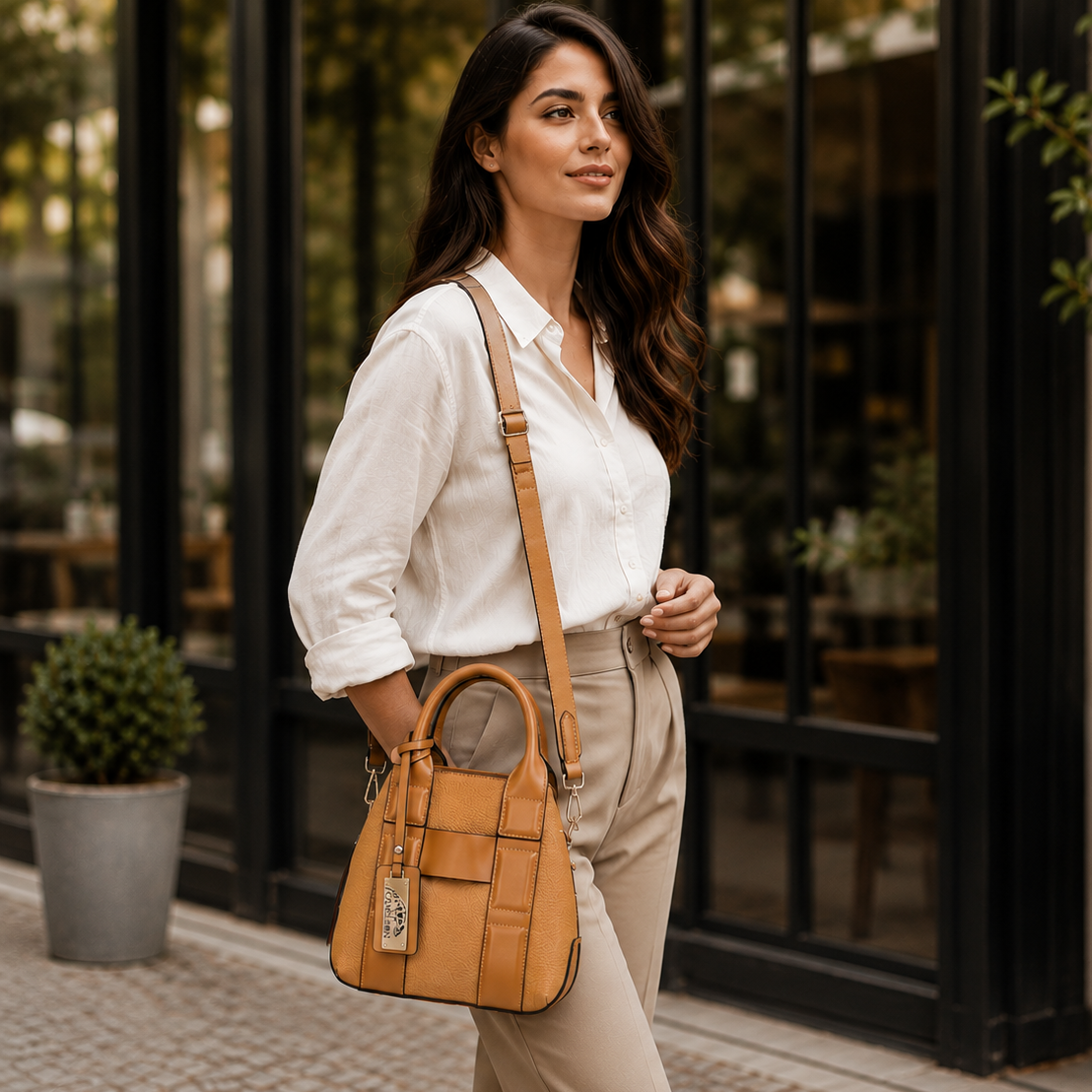

Concealed Carry for First-Time Women Gun Owners
This beginner guide explains concealed carry for first-time women gun owners, including how to choose a carry method, what to consider before buying a holster or purse, and how to build a setup that supports daily confidence without rushing the process.
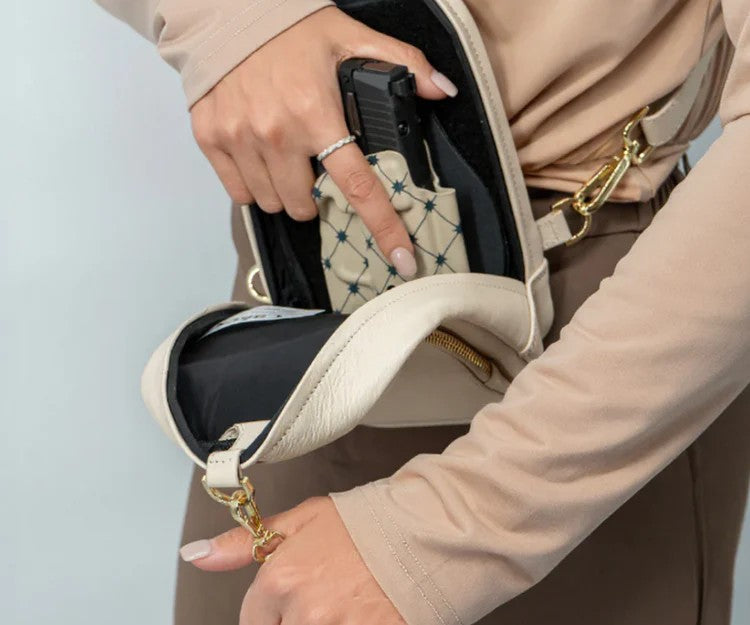

Everyday Carry Essentials Every Woman Should Have
This guide covers everyday carry essentials every woman should consider, including practical basics, organization tools, personal safety items, concealed carry options, and how to choose the right concealed carry purse, holster, or bag for your lifestyle.