

Range Bag Checklist for New Gun Owners
Your first few range trips are much easier when your bag is packed, organized, and ready before you leave home. A range bag checklist helps new gun owners avoid forgotten gear, reduce stress, and focus on learning instead of scrambling for missing items.
For women who are new to shooting or concealed carry, a range bag does not need to be complicated. Start with the essentials: eye protection, ear protection, ammunition, magazines, targets, a few tools, basic cleaning items, and personal comfort supplies. As you gain experience, you can add gear based on how you train.
This beginner-friendly range bag checklist explains what new gun owners should bring to the range, how to organize everything, and how to build a practical setup that supports safer, more confident training.
Start With a Practical Range Bag
A good range bag should be durable, easy to carry, and organized enough to keep your gear separated. You do not need the largest bag available, especially as a beginner. A medium-sized bag with compartments or pouches is usually easier to manage than one large open compartment.
Look for a bag that can hold safety gear, targets, tools, cleaning supplies, personal items, and any concealed carry gear you may need for a class or training session.
Helpful range bag features include:
- Durable material
- Comfortable handles or shoulder strap
- Multiple compartments
- Room for eye and ear protection
- Pockets for tools and small accessories
- Space for targets, notes, and personal items
If you prefer a larger carry option for range days, travel, or training classes, compare backpacks designed for women who carry.
Range Bag Checklist for Beginners
Use this checklist as a starting point before each range trip. You can adjust it based on your range’s rules, your firearm, your training goals, and whether you are attending a class.
- Eye protection
- Ear protection
- Backup earplugs
- Ammunition in proper storage
- Magazines if applicable
- Targets
- Tape, pasters, or stapler if allowed
- Small notebook and pen
- Basic cleaning items
- Small tool pouch
- Range membership card or ID if needed
- Personal care items
- Water and small snack for longer sessions
Before you go, check the range’s rules. Some ranges have specific requirements for ammo type, target type, safety gear, bags, and how firearms must be transported.
Eye Protection
Eye protection is a range essential. Shooting glasses help protect your eyes from debris, particles, brass, and other range hazards. Most ranges require eye protection before entering the firing area.
Choose shooting glasses that fit comfortably and stay in place. If they slide, fog, or pinch, you may be distracted during training. Some women keep both clear and tinted lenses in their range bag for indoor and outdoor sessions.
It is also smart to keep a backup pair in your bag in case you forget your main pair or bring a guest.
Ear Protection
Hearing protection is just as important as eye protection. Gunfire is loud, especially at indoor ranges. Many new shooters feel more comfortable when they have both earmuffs and earplugs available.
Electronic earmuffs can make it easier to hear instructions while reducing loud sounds. Foam earplugs are inexpensive, compact, and useful as backups.
Consider packing:
- Electronic or passive earmuffs
- Foam earplugs
- Reusable earplugs
- Backup hearing protection
- Extra batteries if needed
Ammunition and Magazine Storage
Bring the correct ammunition for your firearm and keep it organized. New gun owners should avoid loose rounds rolling around in the bottom of a bag. Use ammo boxes, pouches, or dedicated compartments.
If you bring more than one firearm or caliber, separate and label everything clearly. Mixing ammunition can create confusion and slow down your training session.
Good ammo organization habits include:
- Keep ammunition in boxes or containers
- Separate different calibers
- Store magazines in a dedicated pouch
- Remove empty boxes after each session
- Follow the range’s ammunition rules
Targets and Paper Supplies
Targets are easy to forget, especially when you are new. Some ranges sell targets on-site, but bringing your own gives you more control over your practice.
Choose simple targets that match your training goals. If your range allows it, bring tape, pasters, or a stapler. A marker can also be useful for labeling targets or taking notes.
Useful paper supplies include:
- Paper targets
- Adhesive targets or pasters
- Tape if allowed
- Marker or pen
- Small notebook
- Any class paperwork or range documents
Notebook and Training Log
A notebook is one of the most helpful items for new gun owners. It helps you track what you practiced, what you learned, and what you want to improve next time.
You can use a training log to record:
- Date of the range session
- Firearm used
- Ammo used
- Round count
- Training goals
- Instructor notes
- Questions for next time
Keeping notes helps make range time more intentional, especially if you are working toward concealed carry confidence.
Basic Cleaning and Maintenance Items
You do not need to pack a full cleaning bench for every range trip, but a few basic items can be useful. A microfiber cloth, small brush, cleaning patches, and a compact cleaning kit can help with minor maintenance needs.
Keep cleaning items in a sealed pouch or container so they do not leak or spread residue inside your bag.
Basic cleaning items may include:
- Microfiber cloth
- Small brush
- Cleaning patches
- Compact cleaning kit
- Lubricant in a secure container
- Disposable wipes
If you carry daily, your holster also needs care. Read how to clean and maintain your concealed carry holster for more guidance.
Small Tools and Accessories
A small tool pouch can help with minor gear adjustments. You do not need to overpack, but a few basics can be useful for range days, classes, or longer sessions.
Consider packing:
- Small multitool
- Screwdriver or bit set
- Allen keys if needed for your gear
- Small flashlight
- Lens cloth
- Extra batteries
Keep these tools in one pouch so they do not scratch eye protection or get lost in the main compartment.
Personal Comfort Items
Range days can be loud, warm, dusty, or long. A small personal pouch can make training more comfortable without overloading your bag.
Helpful personal items include:
- Hand wipes
- Hand sanitizer
- Hair ties or clips
- Lip balm
- Bandages
- Water bottle
- Small snack
- Sunscreen for outdoor ranges
Keep personal items separate from ammunition, tools, and cleaning supplies. This makes your range bag easier to use and easier to clean out after each trip.
Concealed Carry Gear for Training
If you are taking a concealed carry class or practicing with an instructor, you may need to bring your carry gear. Always confirm the class requirements before packing.
For on-body carry, compare the concealed carry holsters collection, best IWB holsters for women, and best concealed carry holsters for women.
If you use a bra holster, browse the Flashbang holsters collection. If you use off-body carry, compare the concealed carry purse collection and the concealed carry purse buyer’s guide.
How to Pack Before Your First Range Trip
Pack your bag the night before if possible. This gives you time to check your gear, confirm range rules, and avoid rushing.
Before leaving home, check:
- Eye and ear protection are packed
- Ammo is correct and organized
- Targets and paper supplies are included
- Notebook and pen are packed
- Tools and cleaning items are contained
- Personal items are restocked
- Any class or range paperwork is included
After each trip, remove trash, restock used items, and return gear to its assigned place. For more organization tips, read how to organize your shooting range bag.
What Beginners Should Avoid Packing
New gun owners often overpack because they want to be prepared. Preparedness is good, but a heavy, cluttered range bag can make training harder.
Avoid packing:
- Too many tools you do not use
- Loose ammunition
- Old targets and trash
- Unlabeled mixed supplies
- Personal items that belong in your everyday purse
- Cleaning products that are not sealed
- Duplicate items that add unnecessary weight
For a full range bag overview, review what should be in every woman’s range bag.
FAQs
What should new gun owners bring to the range?
New gun owners should bring eye protection, ear protection, ammunition, magazines if applicable, targets, a notebook, small tools, basic cleaning items, personal comfort items, and any required range paperwork.
Do beginners need a range bag?
A range bag is very helpful because it keeps safety gear, ammo, targets, tools, and personal items organized. Beginners do not need a huge bag, but they should have a dedicated place for range essentials.
Should I bring both earplugs and earmuffs?
Many beginners like having both. Earmuffs are easy to use, while earplugs are compact backups. Indoor ranges or louder environments may feel more comfortable with both.
What should I write in a range notebook?
Write down the date, firearm, ammunition, round count, practice goals, instructor notes, and questions for next time. This helps you track progress and train more intentionally.
Should I bring cleaning supplies to the range?
A small cleaning kit, microfiber cloth, brush, and wipes can be helpful, but you do not need to bring a full cleaning station unless your class or range session requires it.
Can I bring my concealed carry holster to the range?
You can bring a holster for training when appropriate, but always follow range rules and instructor guidance. Some ranges have specific rules about holster use.
How do I keep my range bag organized?
Use pouches and compartments for safety gear, ammo, magazines, targets, tools, cleaning items, and personal items. Clean out the bag after each trip and restock used supplies.
What should beginners not put in a range bag?
Avoid loose ammunition, unnecessary heavy tools, old trash, unrelated purse items, leaking cleaning supplies, and mixed gear that makes essentials hard to find.
The Bottom Line
A beginner range bag checklist should include eye protection, ear protection, ammo, magazines, targets, a notebook, basic tools, cleaning items, and personal comfort supplies. Start simple, stay organized, and add gear as your training routine develops.
For a complete concealed carry and training setup, explore Gun Goddess concealed carry holsters, Flashbang holsters, concealed carry purses, and backpacks designed for women who carry. A well-packed range bag helps new gun owners show up prepared, organized, and ready to learn.
Also in Getting Started: At the Range
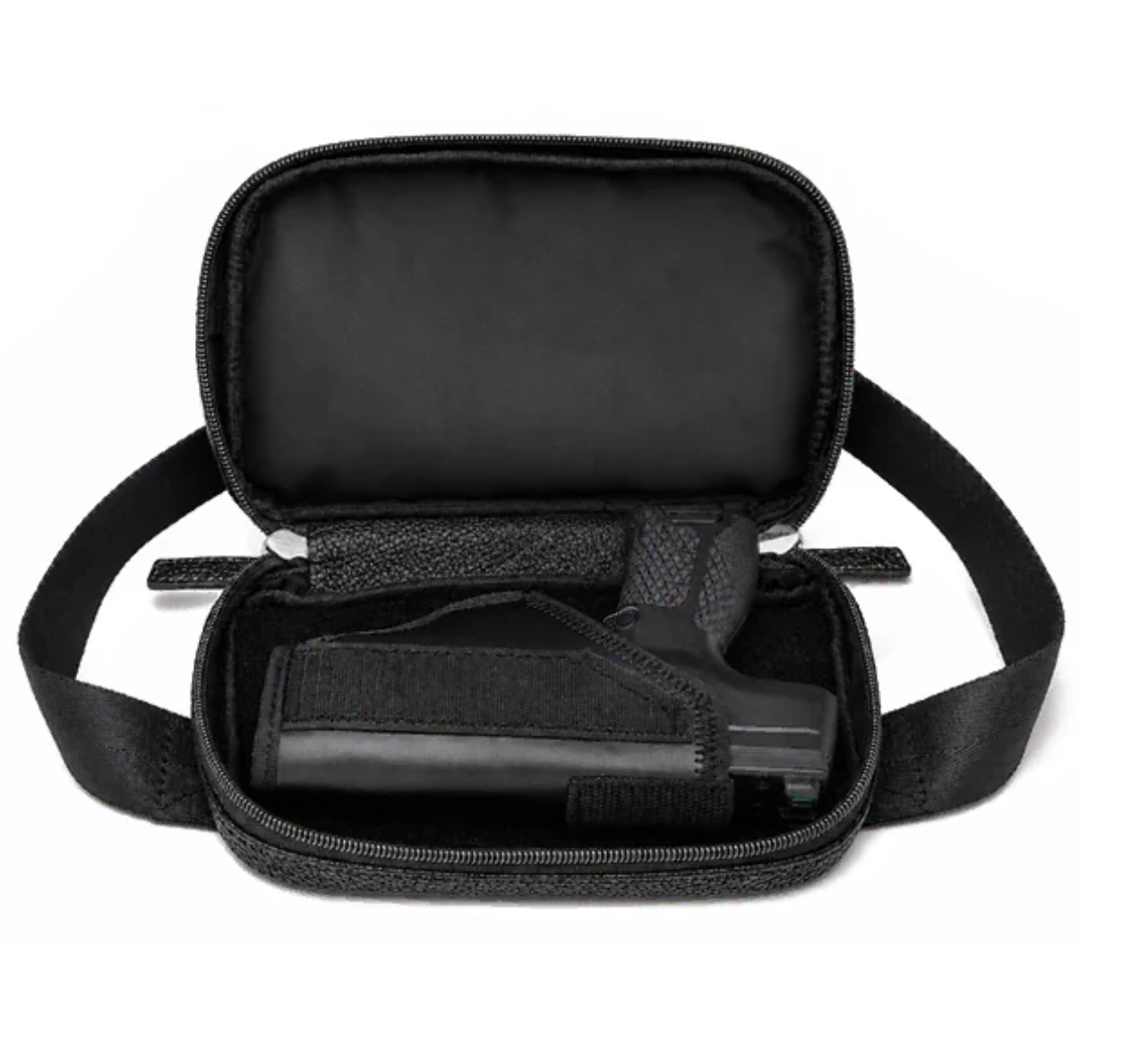

How to Organize Your Shooting Range Bag
This guide explains how to organize your shooting range bag, including what to separate, what to keep in pouches, how to pack for different range days, and how to keep your gear easy to access.
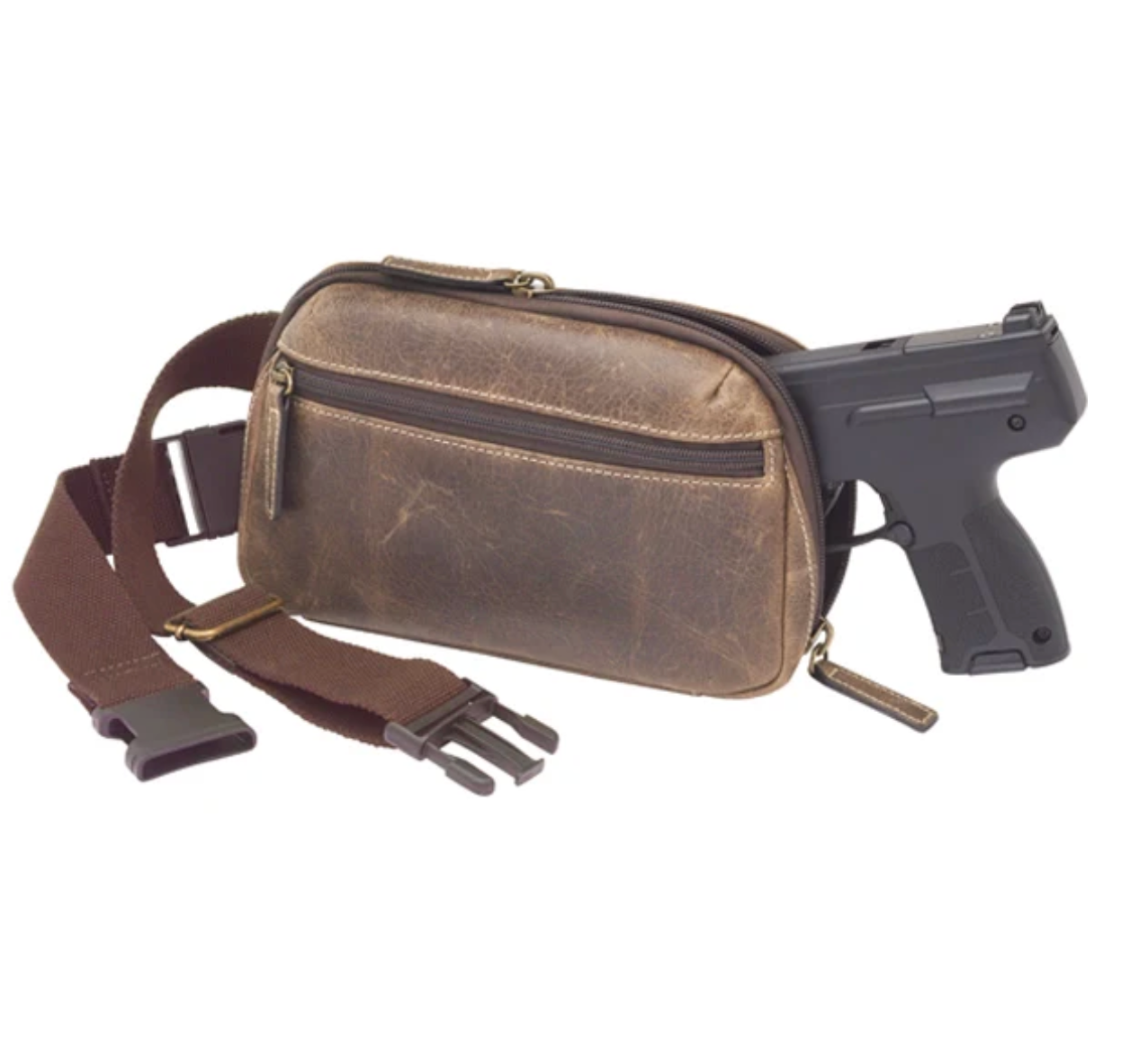

What Should Be in Every Woman’s Range Bag?
This guide explains what should be in every woman’s range bag, including must-have items, helpful extras, organization tips, and how to build a setup that supports safer, more efficient range days.

Shooting Smarter: Beginner Tips from Experienced Gun Owners
Discover the invaluable lessons our social followers wished they knew when they began their shooting journey.
Read More