

When Should You Replace Your Concealed Carry Holster?
A concealed carry holster is not something you should ignore once you buy it. Like any piece of everyday carry gear, it can wear out, stretch, loosen, crack, or stop fitting your lifestyle over time. A holster that once felt comfortable and secure may eventually become less practical for daily use.
Knowing when to replace your concealed carry holster is important for comfort, consistency, and long-term confidence in your carry setup. This is especially true for women who use different carry methods with jeans, dresses, leggings, workwear, gym clothing, and concealed carry purses.
This guide explains when to replace a concealed carry holster, what signs of wear to look for, and how to decide whether you need a new IWB holster, bra holster, purse carry option, or a more comfortable everyday setup.
Why Holsters Wear Out Over Time
Holsters go through a lot during regular use. They may be exposed to sweat, friction, body oils, fabric fibers, heat, humidity, bag clutter, pressure from sitting, and repeated daily wear. Over time, these factors can change how a holster feels and functions.
A holster may wear differently depending on its material. Leather can stretch, soften, crack, or lose shape. Fabric and elastic can weaken or fray. Synthetic materials can develop cracks, sharp edges, or worn attachment points. Clips, screws, straps, snaps, and other hardware can loosen or break.
Common causes of holster wear include:
- Daily concealed carry
- Sweat and moisture exposure
- Friction from clothing
- Repeated sitting, standing, and movement
- Improper storage
- Loose items in a purse or range bag
- Heat, humidity, or direct sunlight
- Normal aging of materials
If you carry regularly, inspecting your holster should be part of your everyday carry routine.
Replace Your Holster if It No Longer Fits Properly
Fit is one of the clearest signs that it may be time to replace your holster. A concealed carry holster should be designed for your firearm and should continue to hold its shape over time. If the material has stretched, softened, warped, or changed shape, the holster may no longer fit the way it did when it was new.
Signs of poor fit may include:
- The holster feels loose or unstable
- The firearm no longer sits the same way
- The holster has stretched or softened
- The shape has changed noticeably
- The holster no longer feels secure during normal movement
- You have changed firearms and the old holster does not match
If you have changed your firearm, do not assume your old holster will work. Holsters should be selected for the specific firearm model and carry method.
Replace Your Holster if It Shifts Too Much
A holster that constantly shifts, slides, tips outward, or moves during the day can become frustrating. It may also make concealment harder because the holster may print, dig, or require constant adjustment.
Shifting can happen when clips weaken, straps stretch, waistbands do not provide enough support, or the holster no longer matches your clothing. Sometimes the holster is not worn out, but it may still be the wrong choice for your current wardrobe.
If shifting is the main issue, check:
- Whether the clip or attachment point is worn
- Whether your waistband has enough structure
- Whether the holster still matches your preferred carry position
- Whether the material has stretched or weakened
- Whether the holster is too bulky for your clothing
If you need a better everyday option, browse the women’s concealed carry holsters collection.
Replace Your Holster if It Has Cracks, Fraying, or Broken Parts
Visible damage is a strong reason to consider replacing your holster. Cracks, fraying, loose stitching, broken clips, weakened straps, or sharp edges can all affect comfort and daily use.
Inspect your holster regularly for:
- Cracks in hard materials
- Fraying fabric or elastic
- Loose or missing screws
- Broken clips
- Weak snaps or fasteners
- Stretched straps
- Sharp or rough edges
- Loose stitching
Some minor hardware issues may be fixable if the manufacturer provides replacement parts. But if the structure of the holster is damaged, replacement is often the better choice.
Replace Your Holster if It Becomes Uncomfortable
Comfort can change over time. A holster that once worked well may start to dig, rub, pinch, or create pressure points. This can happen because the holster has worn out, your clothing has changed, your body has changed, or your daily routine now involves more sitting, driving, walking, or movement.
Comfort issues may show up as:
- Pinching at the waistband
- Rubbing against the skin
- Pressure while sitting
- Discomfort when driving
- Digging near the hip or abdomen
- Distraction during normal movement
If discomfort is making you avoid carrying consistently, it may be time to compare a new holster style. For comfort-focused guidance, read most comfortable concealed carry holsters for women and how to find the most comfortable concealed carry position.
Replace Your Holster if It Prints More Than It Used To
If your holster suddenly seems harder to conceal, the issue may be wear, clothing changes, or a carry position that no longer works well. A stretched, bulky, or shifting holster can print more under clothing.
Printing can appear as a visible grip outline, a hard edge under a shirt, a clip showing through fabric, or a bulge at the waistband. This can be especially noticeable with fitted tops, light fabrics, leggings, or business attire.
If printing has become a problem, consider whether:
- The holster has changed shape
- The clip is pulling the holster outward
- Your clothing has become more fitted
- Your carry position needs adjustment
- A slimmer holster would work better
- A different carry method would fit your wardrobe better
For more concealment tips, review how to reduce printing with a concealed carry holster.
Replace Your Holster if Your Wardrobe Has Changed
Sometimes the holster is not worn out, but your lifestyle has changed. A holster that worked well with jeans may not work with dresses, leggings, business attire, or gym clothes. If your wardrobe has changed, your carry method may need to change too.
For example, an IWB holster may be practical with structured pants but uncomfortable with soft waistbands. A bra holster may work better with dresses or leggings. A concealed carry purse may be more realistic for work outfits, travel, or days when on-body carry is not practical.
If your clothing has changed, compare:
- IWB holsters for jeans and structured pants
- Flashbang holsters for non-waistband outfits
- Concealed carry purses for outfit flexibility
- Backpacks for longer days, commuting, or range trips
For wardrobe-specific guidance, read how to choose the right holster based on your clothing style.
Replace Your Holster if Your Carry Position Has Changed
If you started with one carry position and later switched to another, your old holster may no longer be the best fit. Appendix carry, strong side carry, bra holsters, and purse carry all have different comfort and concealment needs.
A holster that works for strong side carry may not feel right for appendix carry. A holster that works with jeans may not work with workout clothing. A purse carry setup may require a different type of bag than your regular handbag.
If you are reconsidering carry position, review appendix carry for women and strong side carry vs appendix carry for women.
Replace Your Holster if You Need a Non-Waistband Option
Many women start with waistband carry and later realize they need another option for dresses, leggings, skirts, business outfits, or activewear. This does not always mean your waistband holster was a bad choice. It may simply mean you need a second carry method for different outfits.
A Flashbang holster can be useful for women who want an on-body option that does not rely on a belt or structured waistband. This may be especially helpful if your current holster only works with jeans.
If you are comparing bra holsters and other methods, read how to wear a bra holster comfortably all day and bra holster vs concealed carry purse.
Replace Your Holster if Purse Carry Would Fit Your Life Better
If your daily outfits do not support on-body carry, a concealed carry purse may be a better fit for certain days. Purse carry is different from holster carry and requires consistent control of the bag, but it can offer more storage and outfit flexibility.
If you want a new off-body option, browse the concealed carry purse collection. Compact crossbody options like the S&W Essential Concealed-Carry Crossbody and S&W Vault Crossbody can work well for everyday use.
For a larger handbag style, compare the S&W Concealed-Carry Classic Satchel. If you are new to purse carry, review the concealed carry purse buyer’s guide.
How to Make Your Holster Last Longer
Regular care can help extend the life of your holster. Cleaning, inspection, proper storage, and avoiding unnecessary stress on the material can all help your gear stay in better condition.
To extend holster life:
- Inspect it regularly
- Clean according to manufacturer instructions
- Let it dry fully before storage
- Keep it away from heat and moisture
- Do not crush it under heavy gear
- Keep it away from loose keys, tools, and clutter
- Check clips, straps, and hardware often
For care tips, read how to clean and maintain your concealed carry holster.
Common Signs It Is Time for a New Holster
If you are not sure whether your holster needs to be replaced, look for changes in fit, comfort, structure, and daily usability. A holster that no longer supports consistent carry may need to be retired.
It may be time for a new holster if:
- The material is cracked, stretched, or frayed
- The holster no longer holds its shape
- Clips, straps, or hardware are damaged
- The holster shifts constantly
- It prints more than it used to
- It feels uncomfortable during normal wear
- You changed firearms
- You changed your preferred carry position
- Your wardrobe no longer works with the holster
FAQs
How often should you replace a concealed carry holster?
There is no single timeline. Replace your holster when it becomes worn, stretched, cracked, uncomfortable, unstable, or no longer fits your firearm, clothing, or carry method properly.
What are signs that a holster is worn out?
Signs include cracks, fraying, stretched material, loose hardware, broken clips, weak straps, shape changes, poor fit, increased printing, or constant shifting during normal wear.
Should I replace my holster if I change firearms?
Yes, you should choose a holster designed for the specific firearm you carry. Do not assume an old holster will fit a different firearm properly.
Can a leather holster wear out?
Yes. Leather can stretch, soften, crack, or lose shape over time. If a leather holster no longer feels stable or properly fitted, it may need to be replaced.
Can cleaning fix an old holster?
Cleaning can remove sweat, lint, dirt, and residue, but it cannot fix cracked material, stretched fabric, broken hardware, or a holster that no longer fits correctly.
Should I replace a holster that prints too much?
If printing is caused by worn material, poor fit, or a bulky profile, a new holster may help. You may also need to adjust clothing, carry position, or carry method.
Do I need more than one concealed carry holster?
Many women benefit from more than one carry method because different outfits require different solutions. Jeans, dresses, leggings, business attire, and gym clothes may not all work with one holster.
What should I buy if my current holster is uncomfortable?
Consider a different holster style, carry position, or carry method. You may want to compare IWB holsters, Flashbang holsters, and concealed carry purses depending on your clothing and comfort needs.
The Bottom Line
You should replace your concealed carry holster when it no longer fits properly, feels stable, conceals well, or supports comfortable daily use. Cracks, stretching, broken hardware, constant shifting, discomfort, and changes in firearm, wardrobe, or carry position are all signs it may be time for a new setup.
To find a better fit, compare Gun Goddess concealed carry holsters, Flashbang holsters, and concealed carry purses. The right concealed carry gear should fit your firearm, body, wardrobe, comfort needs, and everyday routine.
Also in All About Holsters: Holster Basics
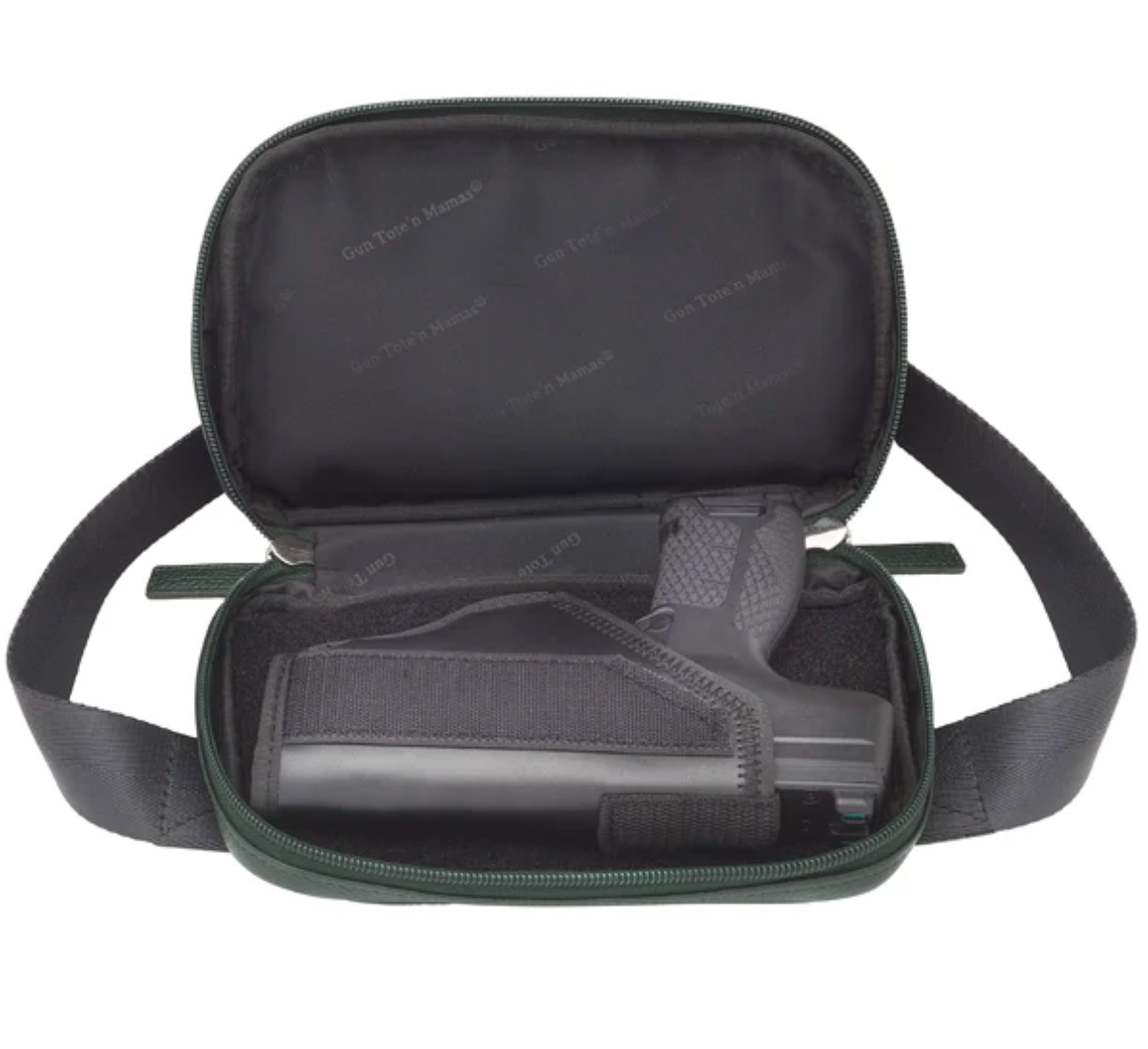

How to Clean and Maintain Your Concealed Carry Holster
A concealed carry holster is part of your everyday carry system, so it needs regular care. Sweat, lint, dust, body oils, makeup, lotion, weather, and daily wear can all build up over time. A holster that is dirty, stretched, cracked, or worn may become less comfortable and less practical for daily use.
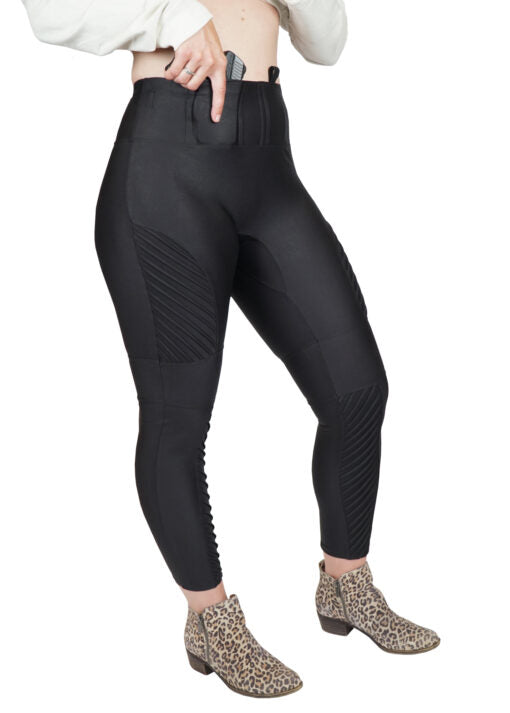

How to Reduce Printing With a Concealed Carry Holster
This guide explains how to reduce printing with a concealed carry holster, especially for women who want a setup that works with real outfits, daily movement, and everyday comfort.

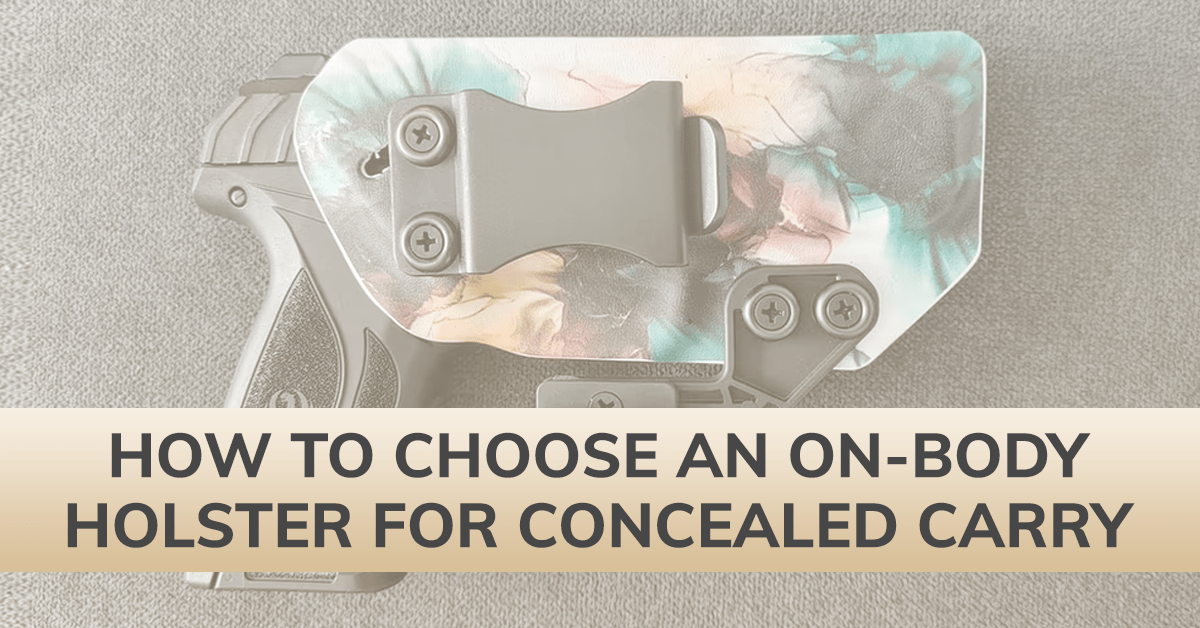
How to Choose an On-Body Holster for Concealed Carry
Choosing a carry holster can be complicated. Here’s the right way to select an on-body holster for concealed carry.
Read More