

Strong Side Carry vs Appendix Carry for Women
Strong side carry and appendix carry are two of the most common concealed carry positions for women who prefer waistband holsters. Both can work well, but they feel very different on the body. Your best option depends on your clothing, body shape, firearm size, holster style, comfort needs, and daily routine.
Strong side carry places the holster near the hip, usually on the same side as your dominant hand. Appendix carry places the holster at the front of the waistband, usually between the belly button and front hip area. Neither position is automatically better for every woman.
This guide compares strong side carry vs appendix carry for women so you can understand the pros, cons, comfort factors, and clothing considerations before choosing your next concealed carry holster.
What Is Strong Side Carry?
Strong side carry means carrying on the same side as your dominant hand. For a right-handed woman, this usually means carrying near the right hip. For a left-handed woman, it usually means carrying near the left hip.
This is one of the most traditional concealed carry positions because it can feel familiar and natural. Many women like strong side carry because the holster sits away from the front of the body, which may feel more comfortable while sitting, bending, driving, or working at a desk.
Strong side carry often works well with jeans, structured pants, belts, jackets, cardigans, and relaxed tops. If you are comparing waistband-friendly options, start with the best IWB holsters for women guide.
What Is Appendix Carry?
Appendix carry places the holster at the front of the body, usually inside the waistband. It is often called AIWB, which stands for appendix inside-the-waistband carry.
Some women prefer appendix carry because it keeps the holster in front of the body. This can make the setup feel easier to monitor throughout the day. It may also conceal well under relaxed tops, sweatshirts, sweaters, button-downs, and light layers.
Appendix carry can be a practical option for women who wear jeans or structured pants often, but it can be more sensitive to pant rise, torso length, and seated comfort. For a deeper look at this position, review appendix carry for women.
The Main Difference Between Strong Side and Appendix Carry
The main difference is holster placement. Strong side carry places the holster near the hip, while appendix carry places it at the front of the waistband. That difference affects comfort, concealment, access, printing, and how the holster works with your clothing.
Strong side carry may feel more natural if you prefer the holster away from your abdomen. Appendix carry may feel more natural if you prefer having the holster in front of you. Both positions require proper holster fit, safe handling, and enough practice to feel consistent.
For many women, the better choice is not based on the position alone. It is based on how the position works with your real wardrobe and daily movement.
Comfort: Which Carry Position Feels Better?
Comfort is one of the biggest deciding factors. Strong side carry may feel better for women who do not like pressure at the front of the waistband. It can also be more comfortable for sitting, driving, or wearing higher-rise pants.
Appendix carry may feel comfortable for women who like front-of-body placement and wear pants that support the holster without pressing it into the abdomen or thigh crease. Small changes in holster position can make a noticeable difference.
Comfort depends on:
- Torso length
- Waist-to-hip shape
- Pant rise
- Firearm size
- Holster profile
- How often you sit, drive, bend, or walk
If comfort is your top priority, compare the most comfortable concealed carry holsters for women before deciding on one position.
Concealment and Printing
Both strong side carry and appendix carry can print under clothing. Printing happens when the outline of the firearm, holster, grip, or clip shows through fabric.
Strong side carry may print near the hip, especially under fitted tops, thin fabrics, or shirts that cling at the waist. Appendix carry may print at the front of the waistband, especially with tight shirts, soft fabrics, or pants that do not hold the holster close to the body.
Ways to reduce printing include:
- Choose a slim holster
- Wear tops that skim instead of cling
- Use darker colors or subtle patterns
- Add light layers when appropriate
- Test different holster positions
- Choose pants with enough waistband support
For more concealment tips, read how to reduce printing with a concealed carry holster.
Clothing Considerations for Women
Women’s clothing can make one carry position much easier than the other. Strong side carry often works well with jeans, structured pants, jackets, cardigans, and untucked tops. Appendix carry often works well with relaxed shirts, sweatshirts, sweaters, and button-down tops worn untucked.
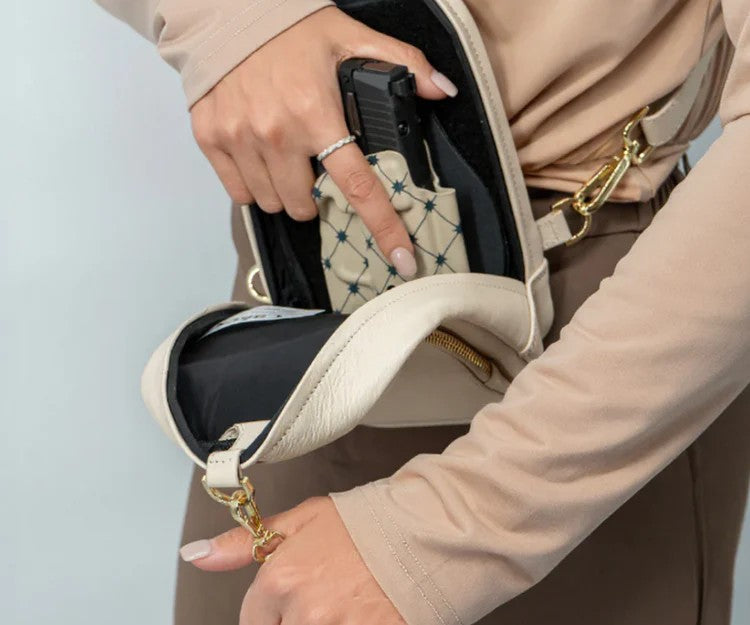
If you wear dresses, skirts, leggings, or business attire often, waistband carry may not always be the easiest option. Those outfits may work better with a bra holster, concealed carry purse, or another women-focused carry method.
If clothing flexibility is a major concern, review how to choose the right holster based on your clothing style, along with guides for concealed carry options for dresses and concealed carry options for leggings.
Which Position Works Better for Sitting and Driving?
Sitting is where strong side carry and appendix carry often feel most different. Strong side carry may be more comfortable for women who spend long hours seated because the holster is not directly at the front of the waistband.
Appendix carry can still work while sitting, but it depends heavily on holster size, placement, pant rise, and body shape. Some women find it manageable with the right setup, while others feel pressure at the abdomen or hip crease.
If you commute, drive often, work at a desk, or sit for long periods, test your setup at home before relying on it for a full day. Try sitting, standing, walking, bending slightly, and getting in and out of a car.
When Strong Side Carry Makes Sense
Strong side carry may make sense if you want a traditional waistband carry position that works well with structured clothing. It can also be a good option if you do not like the feeling of a holster at the front of your body.
Strong side carry may be a good fit if:
- You often wear jeans or structured pants
- You prefer carrying near the hip
- You sit or drive for long periods
- You wear jackets, cardigans, or layered tops
- You want the holster away from your abdomen
- You feel more comfortable drawing from the hip with proper training
When Appendix Carry Makes Sense
Appendix carry may make sense if you prefer front-of-body placement and regularly wear clothing that supports an IWB holster. It can work well with casual outfits, relaxed tops, and structured waistbands.
Appendix carry may be a good fit if:
- You want the holster in front of your body
- You wear jeans or structured pants often
- You prefer relaxed shirts or casual layers
- You want an on-body carry method
- You can sit and move comfortably with the setup
- You are willing to test small position adjustments
For waistband carry, compare options in the women’s concealed carry holsters collection.
When Another Carry Method May Be Better
Strong side carry and appendix carry are not the only options. If you often wear dresses, leggings, skirts, or outfits without a supportive waistband, a bra holster or concealed carry purse may be more practical.
The Flashbang holsters collection is a strong option for women who want on-body carry without relying on waistband support. For off-body carry, browse the concealed carry purse collection.
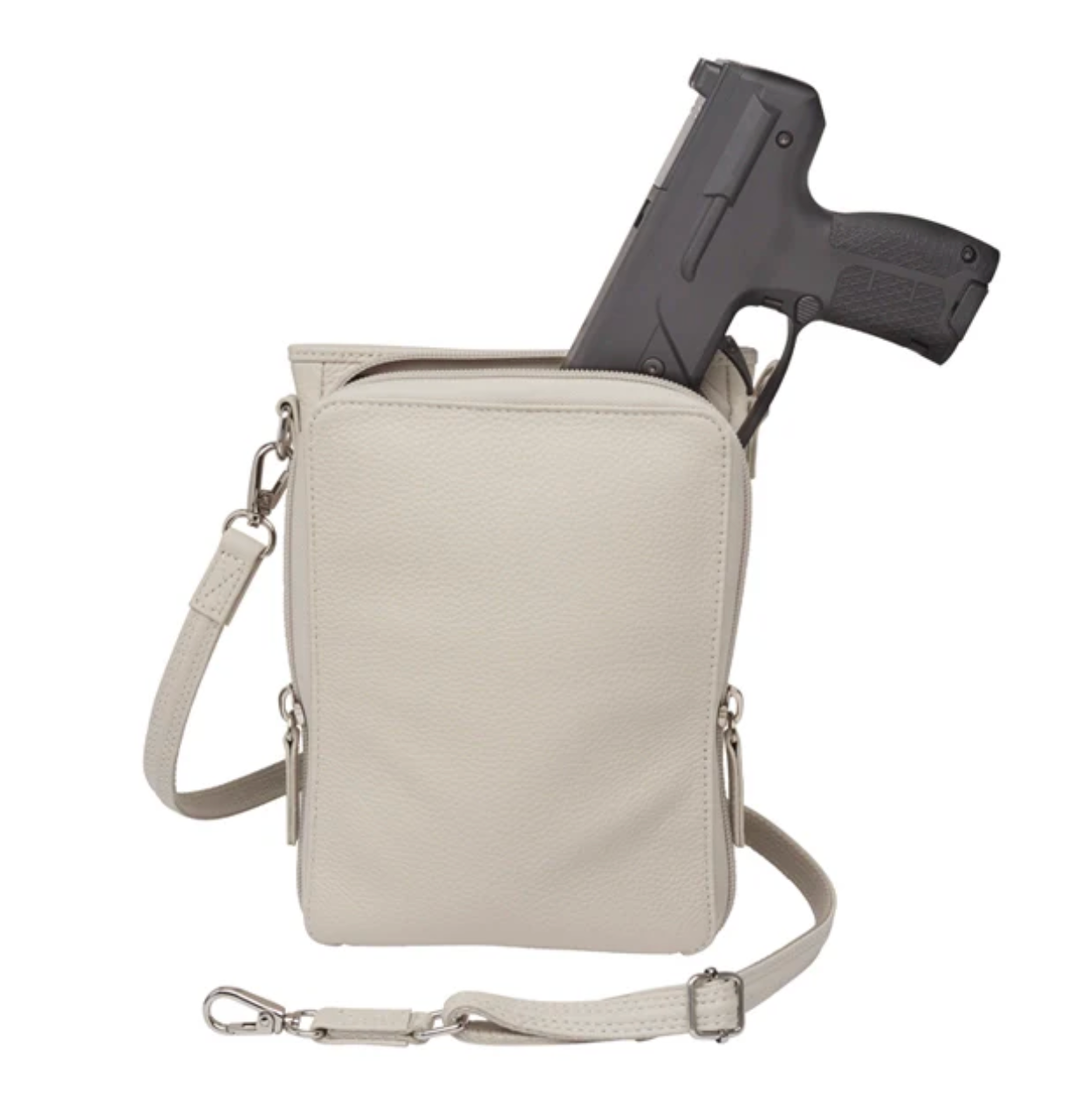
Compact purse options like the S&W Essential Concealed-Carry Crossbody and S&W Vault Crossbody can be useful for days when a waistband holster does not work with your outfit.
How to Decide Which Position Is Right for You
The best way to choose between strong side and appendix carry is to test both with your real clothing. Do not judge a holster only while standing in front of a mirror. Try normal daily movements and pay attention to comfort, shifting, and printing.
Ask yourself:
- Which position feels more comfortable while sitting?
- Which one prints less with my everyday tops?
- Which one works better with my pants?
- Can I move naturally without adjusting the holster constantly?
- Does this setup follow local laws, workplace rules, and venue policies?
- Have I received proper training for this carry method?
Many women use more than one carry method depending on the outfit. You may prefer appendix carry with jeans, strong side carry with certain layers, a Flashbang holster with dresses, and a purse for outfits that do not support on-body carry.
FAQs
Is strong side carry or appendix carry better for women?
Neither is automatically better. Strong side carry may feel better for women who prefer hip placement, while appendix carry may work better for women who want front-of-body access. The best option depends on your body, clothing, holster, and comfort needs.
Is strong side carry more comfortable than appendix carry?
Strong side carry may be more comfortable for women who sit often or dislike pressure at the front of the waistband. Appendix carry can still be comfortable with the right holster, pant rise, and placement.
Does appendix carry print more than strong side carry?
It depends on your clothing and body shape. Appendix carry may print at the front of the waistband, while strong side carry may print near the hip. A slim holster and better clothing choices can help reduce printing in either position.
What clothes work best with strong side carry?
Strong side carry often works well with jeans, structured pants, belts, jackets, cardigans, and relaxed tops that provide coverage around the hip area.
What clothes work best with appendix carry?
Appendix carry often works well with structured pants, mid-rise jeans, relaxed T-shirts, untucked button-downs, sweaters, sweatshirts, and light layers.
Can women use both strong side and appendix carry?
Yes. Many women use different carry positions depending on the outfit, activity, and comfort needs of the day. It is common to use more than one concealed carry method.
Which carry position is better for driving?
Many women find strong side carry more comfortable for driving, but some prefer appendix carry with the right holster and placement. Test your setup safely while seated before relying on it for long drives.
What if neither strong side nor appendix carry feels comfortable?
If neither position feels comfortable, consider a bra holster, concealed carry purse, or another women-focused carry method. The best setup is one that works with your body, wardrobe, and daily routine.
The Bottom Line
Strong side carry and appendix carry can both work for women, but they solve different comfort and concealment needs. Strong side carry may be better if you prefer hip placement, structured clothing, and less pressure at the front of the waistband. Appendix carry may be better if you want front-of-body awareness and regularly wear relaxed tops with supportive pants.
The best concealed carry setup is the one that fits your body, wardrobe, comfort needs, and daily routine. Compare Gun Goddess concealed carry holsters, Flashbang holsters, and concealed carry purses to build a flexible carry system for different outfits and situations.
Also in Carrying a Gun: Concealed Carry Tips

How to Build an Everyday Carry Kit for Women
This guide explains how to build an everyday carry kit for women, including what to include, how to organize it, and when to choose a concealed carry purse, concealed carry holster, or Flashbang holster as part of your setup.

Concealed Carry for First-Time Women Gun Owners
This beginner guide explains concealed carry for first-time women gun owners, including how to choose a carry method, what to consider before buying a holster or purse, and how to build a setup that supports daily confidence without rushing the process.

Everyday Carry Essentials Every Woman Should Have
This guide covers everyday carry essentials every woman should consider, including practical basics, organization tools, personal safety items, concealed carry options, and how to choose the right concealed carry purse, holster, or bag for your lifestyle.