

Best Concealed Carry Options for Running
Running is one of the most difficult activities to pair with concealed carry because it involves constant movement, impact, sweat, fitted clothing, and limited storage. A carry setup that works for walking or errands may shift, bounce, print, or feel uncomfortable during a run.
For women, the right concealed carry option for running depends on the distance, pace, clothing, body type, firearm size, and whether the setup stays secure through repetitive motion. Comfort matters, but stability matters just as much.
This guide covers the best concealed carry options for running, including bra holsters, slim holsters, compact carry bags, and practical clothing tips. Always check local laws, park rules, race rules, trail regulations, and venue policies before carrying in any specific location.
Why Running Is Different From Everyday Concealed Carry
Running creates more movement than most daily activities. Your holster or carry method needs to handle bouncing, stride changes, arm swing, sweat, and changes in pace. If the setup shifts or distracts you, it may not be practical for running.
Running clothing also creates challenges. Leggings, bike shorts, tank tops, fitted shirts, and lightweight jackets are often designed for performance rather than concealment. These fabrics can make printing more noticeable and may not provide enough support for a traditional waistband holster.
A running carry setup should be:
- Stable during repetitive movement
- Comfortable against the body
- Low-profile enough to reduce printing
- Compatible with athletic clothing
- Easy to keep under your control
- Appropriate for the route, laws, and location
Option 1: Bra Holsters for Running
A bra holster can be useful for women who want an on-body option that does not depend on a waistband. Since many running outfits include leggings, shorts, or joggers without belt loops, a bra holster may be more practical than traditional IWB carry.
The Flashbang holsters collection is especially relevant for women who want a non-waistband concealed carry option. A bra holster can work well with supportive sports bras and tops that provide enough coverage.
Bra holsters may be a good fit for running if:
- You wear supportive sports bras
- You prefer on-body carry
- Your leggings or shorts do not support a waistband holster
- Your top provides enough coverage to reduce printing
- The setup remains stable during movement
Comfort depends heavily on the bra, holster, firearm, and pace of the run. Before using this setup outdoors, test it safely at home with the sports bra and running top you plan to wear. For more comfort guidance, read how to wear a bra holster comfortably all day.
Option 2: Slim Holsters for Running Outfits
Some women prefer a slim holster for light jogs, walking intervals, or running outfits with a more supportive waistband. A low-profile holster can reduce bulk and help the setup feel less noticeable than a larger everyday holster.
However, waistband carry during running depends on the clothing. Many leggings and athletic shorts are too stretchy to support a traditional holster securely. If the holster shifts, tips outward, or bounces, it may not be the best option for that outfit.
A slim holster may work better with:
- Structured joggers
- Athletic pants with a firm waistband
- Layered running outfits
- Shorter runs or walking intervals
- Low-impact movement compared with sprinting
For everyday holster comparisons, browse the women’s concealed carry holsters collection. If you prefer waistband carry outside of running, the best IWB holsters for women guide can help you compare options for jeans and structured pants.
Option 3: Compact Concealed Carry Bags
Some women may prefer a compact concealed carry bag before, during, or after a run, especially if their clothing does not support on-body carry. Purse or bag carry is different from holster carry and requires constant control of the bag.
If you choose off-body carry, the bag should stay close to you, remain secured, and never be left unattended. A bag that bounces, swings, or distracts you may not be practical for running. Crossbody styles may be better for walking, errands, or warm-up and cool-down periods than for faster runs.
For compact options, browse the concealed carry purse collection. Smaller crossbody styles like the S&W Essential Concealed-Carry Crossbody and S&W Vault Crossbody may work well for walks, errands, and casual movement around a running routine.
What About Running Belts?
Some runners use belts, waist packs, or similar accessories for keys, phones, and personal items. For concealed carry, any running belt or bag must be designed and used responsibly. A generic fitness belt may not provide the structure, separation, or secure placement needed for a firearm.
If you are considering any off-body or accessory-based setup, think carefully about stability, control, access, and safe storage. The firearm should not shift loosely with other items. Always use a carry method designed for secure firearm placement and follow safe handling practices.
For many women, a purpose-built holster or concealed carry purse is a better starting point than adapting a general running accessory.
How to Reduce Printing While Running
Running clothes can make printing more noticeable because they are often fitted, stretchy, or lightweight. Even a small holster or compact firearm can show under thin tops or compression fabrics.
To reduce printing, look for athletic pieces with more structure and coverage. A lightweight zip-up, relaxed running shirt, vest, or darker top can help soften visible outlines.
Ways to reduce printing while running include:
- Choose thicker athletic fabrics
- Wear tops that skim instead of cling
- Use darker colors or subtle patterns
- Add a lightweight layer when practical
- Choose a low-profile carry setup
- Test the outfit while jogging, not just standing still
For more concealment guidance, read how to reduce printing with a concealed carry holster.
Best Concealed Carry Options for Different Types of Runs
The best carry method may change depending on the run. A short neighborhood jog may call for a different setup than a long trail run, a treadmill workout, or a walk-run interval session.
For short runs, a bra holster or slim low-profile holster may work if the setup stays stable. For walking or light jogging, a compact crossbody or concealed carry bag may be more practical for some women. For trail runs, check park rules and consider how layers, hydration gear, and terrain affect your carry setup.
Different runs may require different priorities:
- Neighborhood jogs: stability and comfort
- Trail runs: laws, terrain, layers, and secure placement
- Treadmill runs: gym rules and printing under fitted clothing
- Walk-run intervals: comfort through changing pace
- Errands after a run: purse or bag control before and after activity
What to Avoid When Running With Concealed Carry
Running is not the time to use a setup that feels questionable. If a holster shifts, bounces, digs, or requires constant adjustment, it is not a good fit for that activity.
Common mistakes include:
- Using leggings that cannot support the holster
- Carrying in a bag that swings or bounces heavily
- Wearing tops that print clearly during movement
- Testing the setup only while standing still
- Ignoring sweat, friction, or pressure points
- Leaving a concealed carry purse unattended at a gym or park
If your running outfit does not support a safe, stable setup, consider carrying before or after the run instead, depending on your situation and applicable rules.
How to Test Your Running Carry Setup
Before using any concealed carry method on a run, test it safely at home with your actual running outfit. Move through the motions you expect to use during the activity.
Test your setup while:
- Walking at a normal pace
- Jogging lightly in place
- Sitting and standing
- Bending slightly
- Reaching for your phone or keys
- Adding or removing a jacket
- Wearing the shoes, bra, and top you plan to use
If the setup shifts, prints heavily, or distracts you, try a different holster, outfit, or carry method. Always seek qualified training before practicing access or draw techniques.
FAQs
Can women concealed carry while running?
Some women can concealed carry while running, but the setup must stay stable, comfortable, and secure during repetitive movement. The best option depends on clothing, activity level, local laws, and personal comfort.
What is the best concealed carry option for running?
For many women, a bra holster, slim low-profile holster, or compact carry bag may be worth considering. The best choice depends on the outfit, run type, and whether the setup stays secure while moving.
Are Flashbang holsters good for running?
Flashbang holsters can be useful for running outfits because they do not rely on waistband support. Comfort and concealment depend on the sports bra, top, firearm size, and how much movement is involved.
Can you run with a concealed carry purse?
A concealed carry purse may be useful before or after a run, but it may not be ideal for faster running if it bounces or swings. Any off-body carry method must stay under your control and should never be left unattended.
Can you concealed carry in leggings while running?
Leggings can make concealed carry more difficult because they are often stretchy and fitted. Some women prefer bra holsters or compact off-body options when running in leggings.
How do I stop printing in running clothes?
Choose thicker athletic fabrics, relaxed tops, darker colors, light layers, and low-profile holsters. Test the outfit while jogging or walking quickly to see how it looks in motion.
Should I carry differently for trail running?
Trail running may require extra attention to laws, park rules, layers, hydration gear, terrain, and longer movement. Choose a setup that stays secure and comfortable for the full route.
Can I concealed carry at a race or organized run?
Always check event rules, venue policies, and local laws. Organized races may have restrictions that differ from everyday public carry rules.
The Bottom Line
The best concealed carry options for running are the ones that stay secure, reduce bouncing, minimize printing, and work with your actual running clothes. For many women, that may mean a Flashbang holster, a slim concealed carry holster, or a compact concealed carry purse for before and after the run.
Running adds more movement than everyday carry, so test your setup carefully before relying on it. The right choice should feel stable, comfortable, discreet, and realistic for your route, wardrobe, and routine.
Also in All About Holsters: Carrying to Fit Your Lifestyle
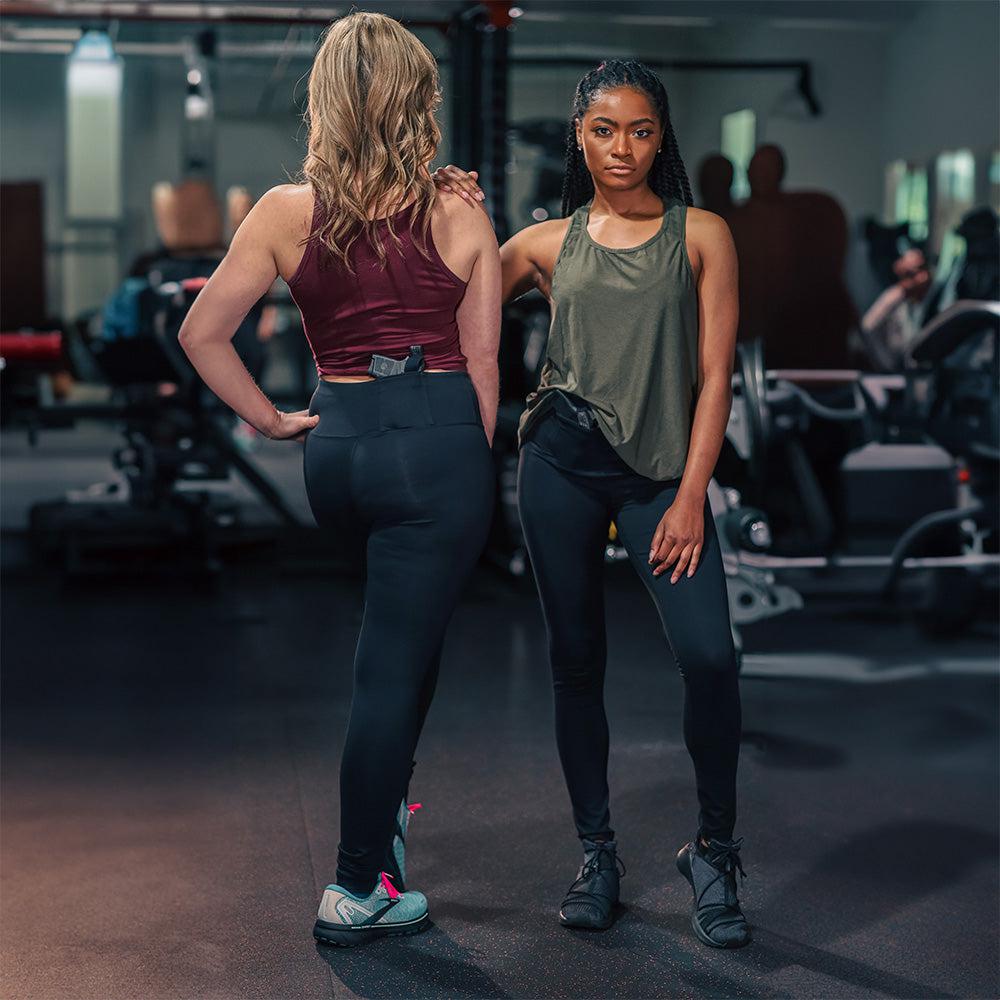

Concealed Carry at the Gym: Tips for Women
For many women, the best gym carry option depends on whether they are carrying during the workout, before and after the gym, or while running errands around a fitness routine. The right choice should feel secure, comfortable, discreet, and realistic for the way you actually move.
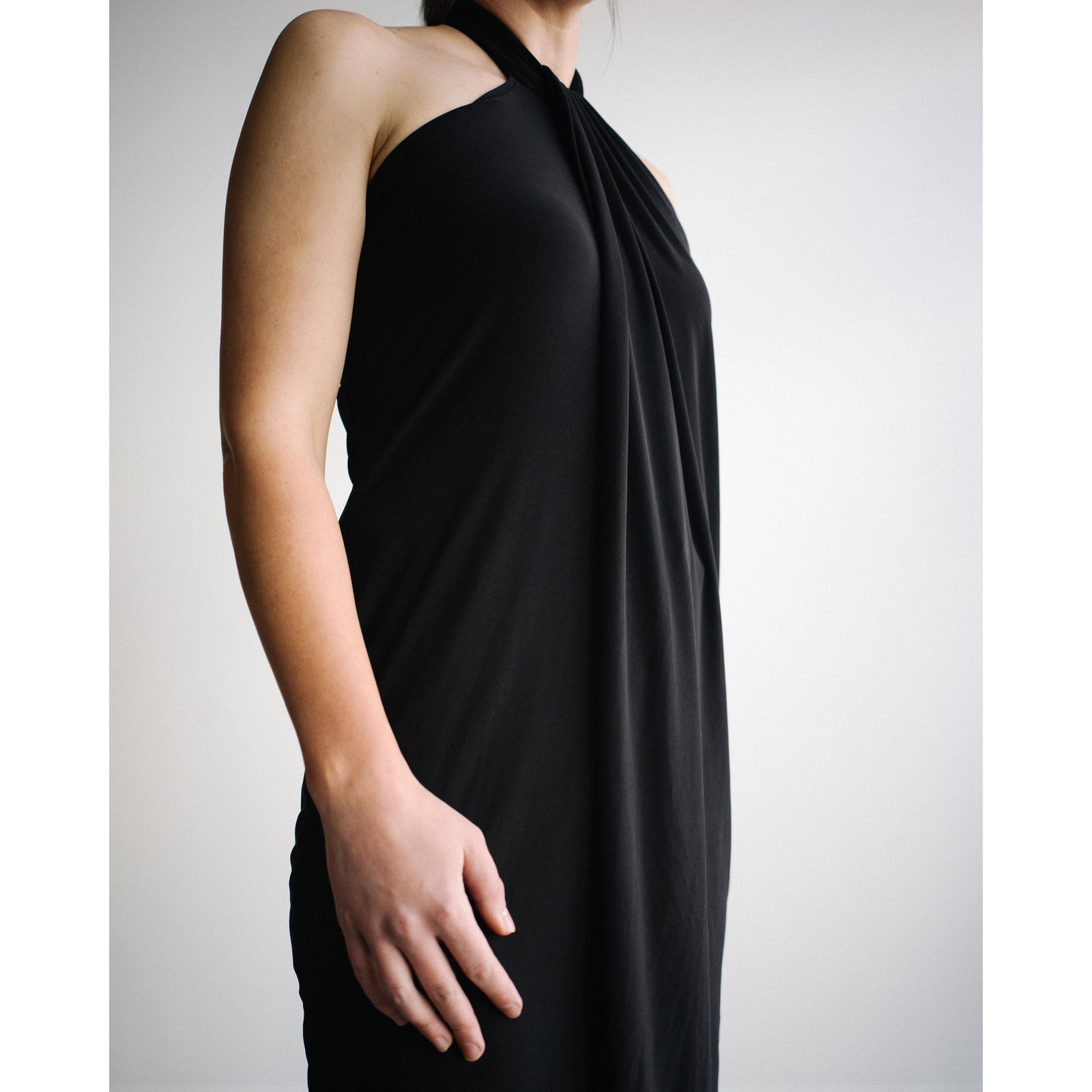

Best Concealed Carry Options for Dresses
The best concealed carry options for dresses should prioritize comfort, concealment, practicality, and compatibility with everyday outfits while still remaining discreet and wearable throughout long days.
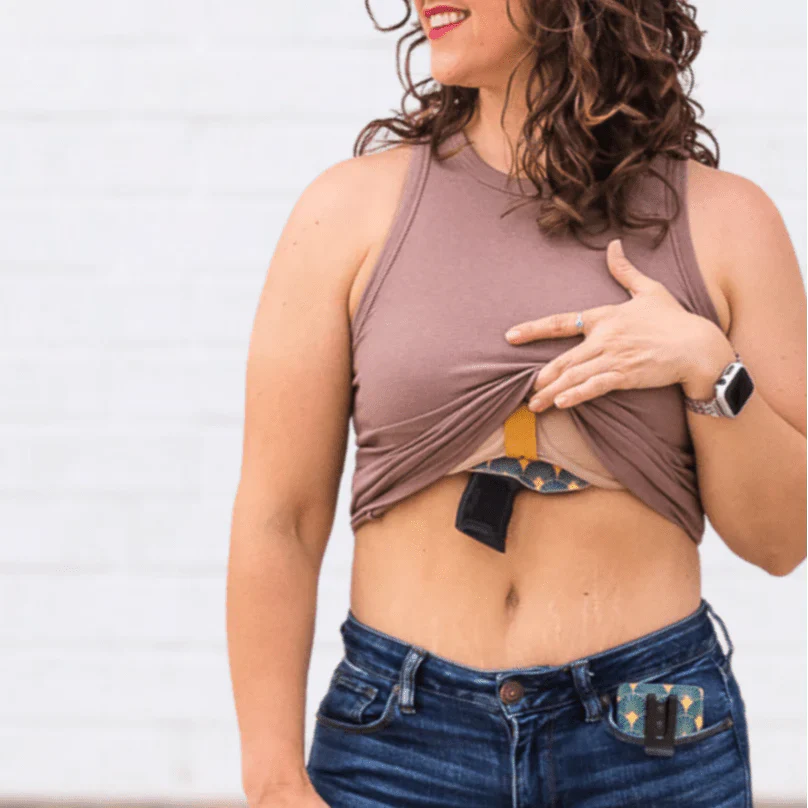

Bra Holster vs Concealed Carry Purse - Which Is Better for Women?
One of the biggest decisions many women face when starting concealed carry is choosing between a concealed carry purse and an on-body holster. Both options offer different advantages depending on clothing style, comfort preferences, daily routine, and lifestyle.