

The "Cease Fire" and the Priceless Lesson.
When Accidents Happen: Lessons from the Range
I did not realize that one would not differentiate the sound of a negligent discharge from the normal sounds of a range—until it happened.
At a range, gunfire peppers the atmosphere constantly. The only thing that separates a shot hitting paper downrange from an accident that injures a person is the immediate “Cease Fire!” followed by silence and the rapid response of those who see someone on the ground, bleeding, dependent on others—or us—for help.
Let me tell you what happened.
The Reality of Accidents
I have wanted to write about this, but struggled to find words that communicated the experience without condemning or encouraging judgment. Accidents happen.
We are human.
The truth is that we are perfectly imperfect—capable of great and beautiful things, but also of mistakes and lapses of judgment. And when you put that reality together with firearms, the potential for incidents exists.
Having recently witnessed one, I feel compelled to share what I learned in the hope that you too will prepare. Because while we cannot predict the future, we can certainly attempt to be ready for what it brings.
What Happened That Day
“So what happened? Come on, Lady. The suspense is getting to us. Just spill the tea already.”
I won’t suspend your curiosity.
The gentleman in the lane next to mine shot himself in the leg while re-holstering his firearm. Thankfully, he has since recovered, returned to work, and is doing well.
We were there as instructors, testing issued tools, practicing accuracy, and joking with each other in good humor. There were no students present yet.
I had just returned from buying a box of 9mm—choosing not to dip into the precious donated ammo for classes—and loaded my magazines. I began working on accuracy at five yards when suddenly:
“Cease Fire!”
As trained, I placed the pistol down safely, stepped back, repeated the command loudly, and looked to my right—where I saw an injured man on the floor, blood pooling above his knee.
The Response
Three men were already lending aid. Someone thrust scissors into my hand. A tourniquet was applied. A second wound—the entry point—was found higher up the leg.
Maybe one or two minutes had passed, but time felt both frozen and rushing.
A medical professional was on site and took over, so I stepped back, asking what else I could do. I was assigned a task in the showroom and obeyed, thankful the wound wasn’t near the dreaded femoral artery.
Later, after he was taken to the hospital, we gathered in a quiet room. We encouraged one another, reminded ourselves of our purpose, and prepared to continue teaching. A fellow instructor said:
“We adapt, and we overcome.”
Those words gave me strength. But I was shaken and sobered.
A New Perspective
That day birthed a new mindset in me: holster, gun, and tourniquet are inseparable. They are triplets that must always be together.
Because the human heart doesn’t stop for us. It pumps blood relentlessly. And if a hole is made, adrenaline may even make it pump faster.
When someone is bleeding, we are already behind. We cannot run faster than the heart can pump. Our tools must be in our hands immediately—not across the room, not locked away, not “on the way.”
What You Can Do
Do you have a firearm? Are you considering one—for self-defense, hunting, or competition?
If so, do not rely on the range’s first-aid supplies. Build your own kit. Keep it on your body whenever you’re carrying or practicing.
Mine is in a slim cross-body bag with:
-
A tourniquet
-
A chest seal
-
Scissors
-
Compressed gauze
It rests flat on my torso, within immediate reach. Yours could be in a fanny pack, belt pouch, or other carry option. The important thing is that it stays with you.
Classes Matter
“What about classes? Shouldn’t we take them?”
Yes—please. Take a first-aid course. Take a Stop the Bleed course. They are empowering and equip you with skills you hope you’ll never need.
I’ve taken them and will take more. But I’ll also tell you: life experience—the accident I witnessed—ignited a deeper passion in me. A passion to be ready. To inspire others to be ready too.
Final Thoughts
If I could have one wish, it would be this: that you never have to see such an injury, and that if you are ever called to help, you find yourself filled with a calm strength.
That your hands move with confidence and purpose. That you bring healing to someone in need.
Now go—become the woman you are meant to be. The world is waiting for someone like you.
Author - Alma Reeves

Also in Newest Posts
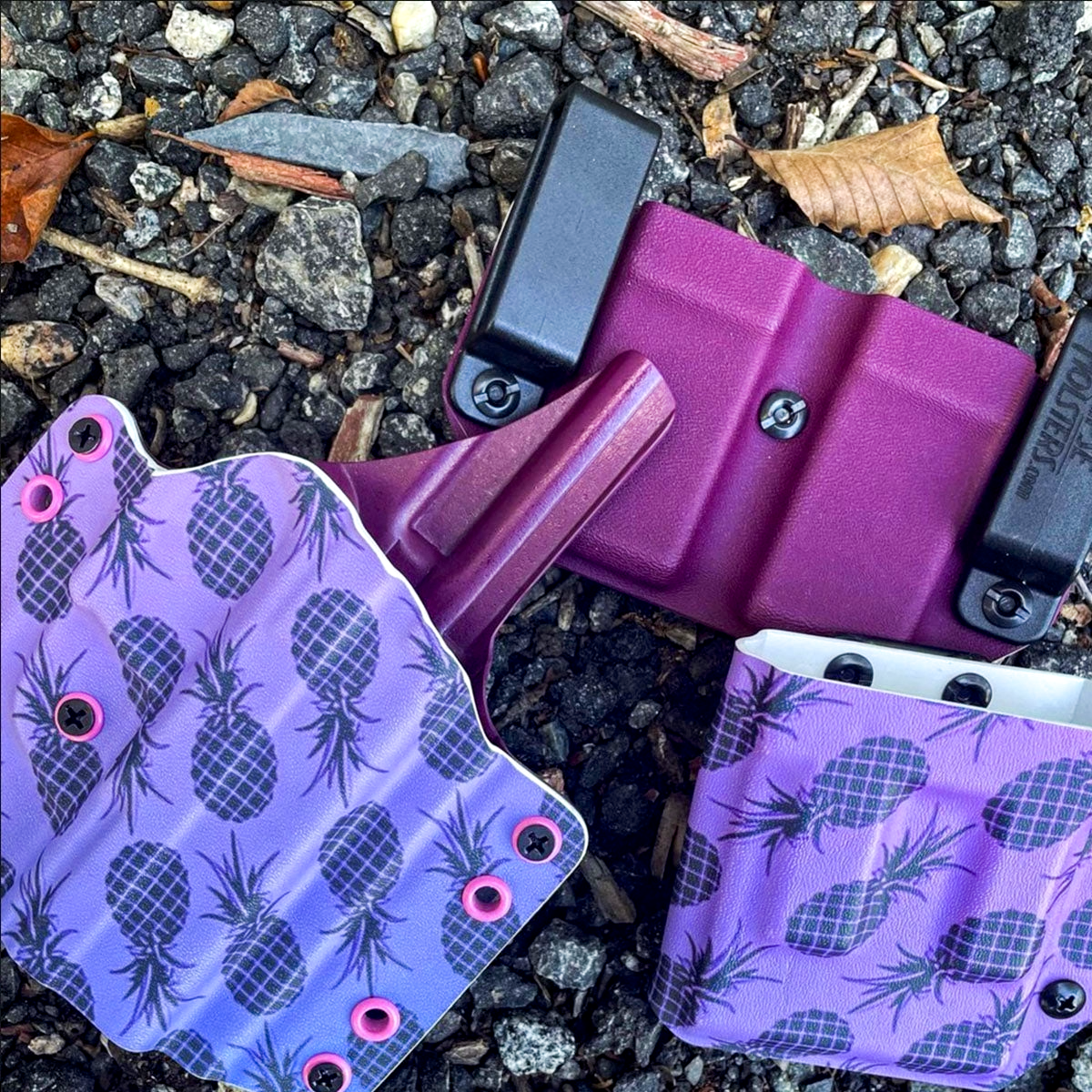

Best Gifts for Women Who Conceal Carry
This guide covers the best gifts for women who conceal carry, including options for beginners, experienced carriers, range regulars, travelers, moms, professionals, and women who want concealed carry gear that fits their personal style.
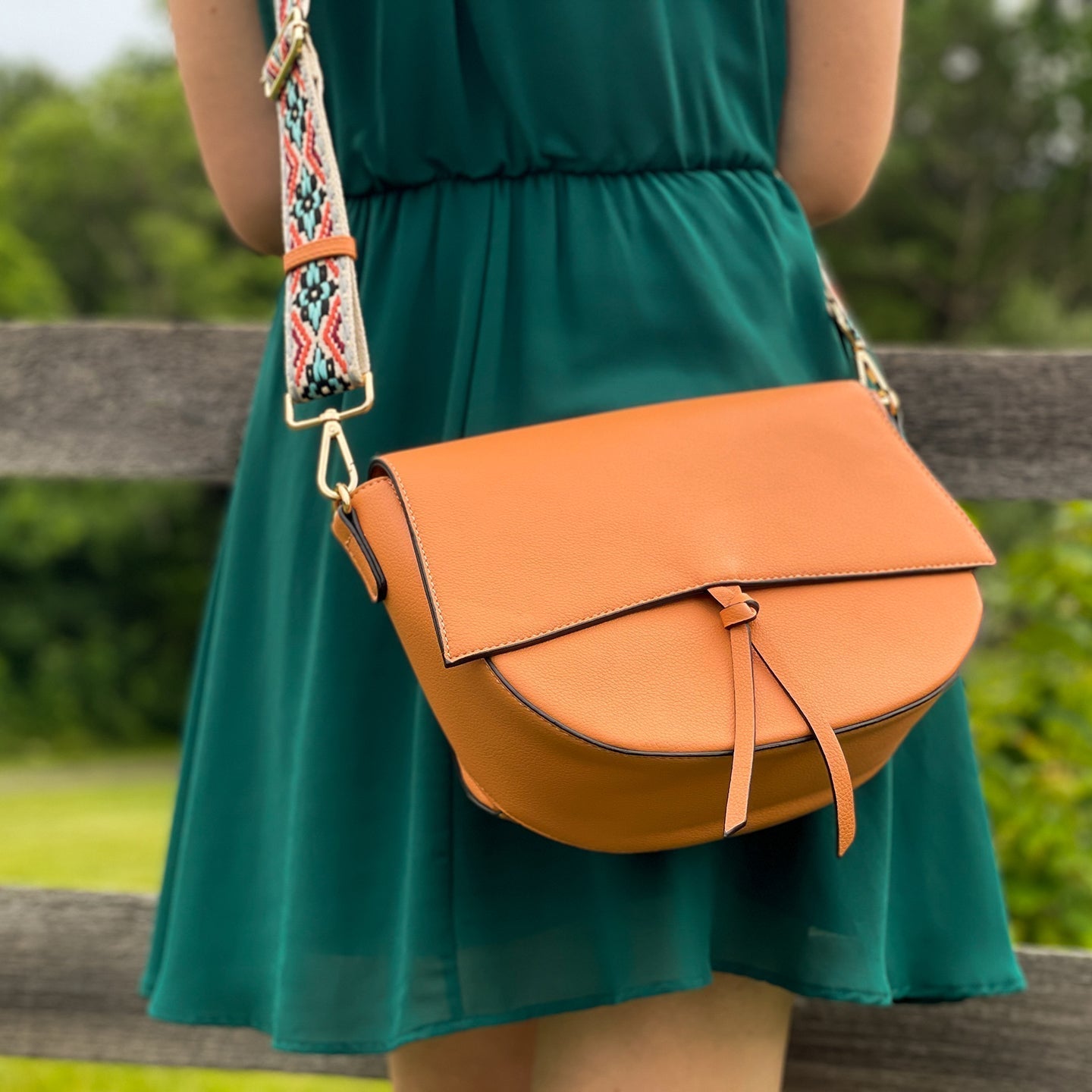

Women’s Guide to Everyday Carry
The best everyday carry setup is not about carrying as much as possible. It is about choosing practical items that fit your lifestyle, clothing, commute, work routine, errands, travel, and comfort needs.
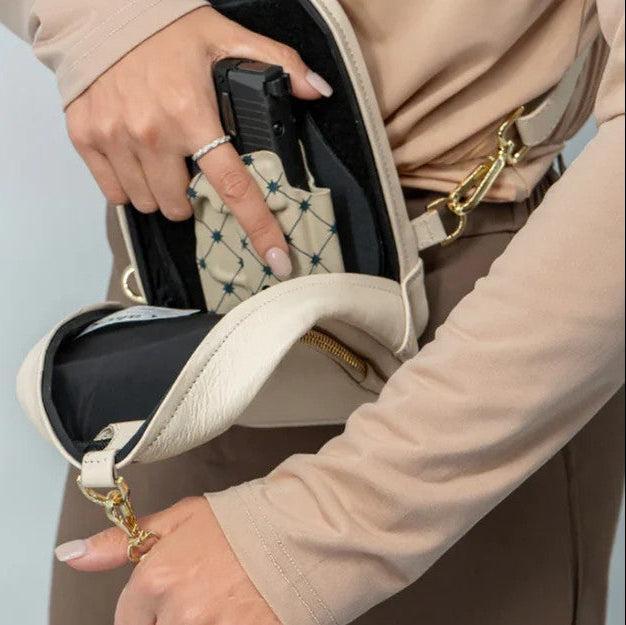

Lightweight Concealed Carry Purses for Everyday Use
The best lightweight concealed carry purses balance comfort, organization, accessibility, and style without sacrificing concealed carry functionality. A lightweight purse should still feel secure and structured enough to support responsible carry while remaining easy to wear during errands, travel, work, or long days out.